
Vol. III
Taste
Meet the thing in itself.
The Curriculum
These meditations build on each other. The first widens the aperture; the next presses against it; the later ones layer the sense together with the others. Each one is a muscle — the more you use it, the stronger it becomes.
- 01
The Thing In Itself
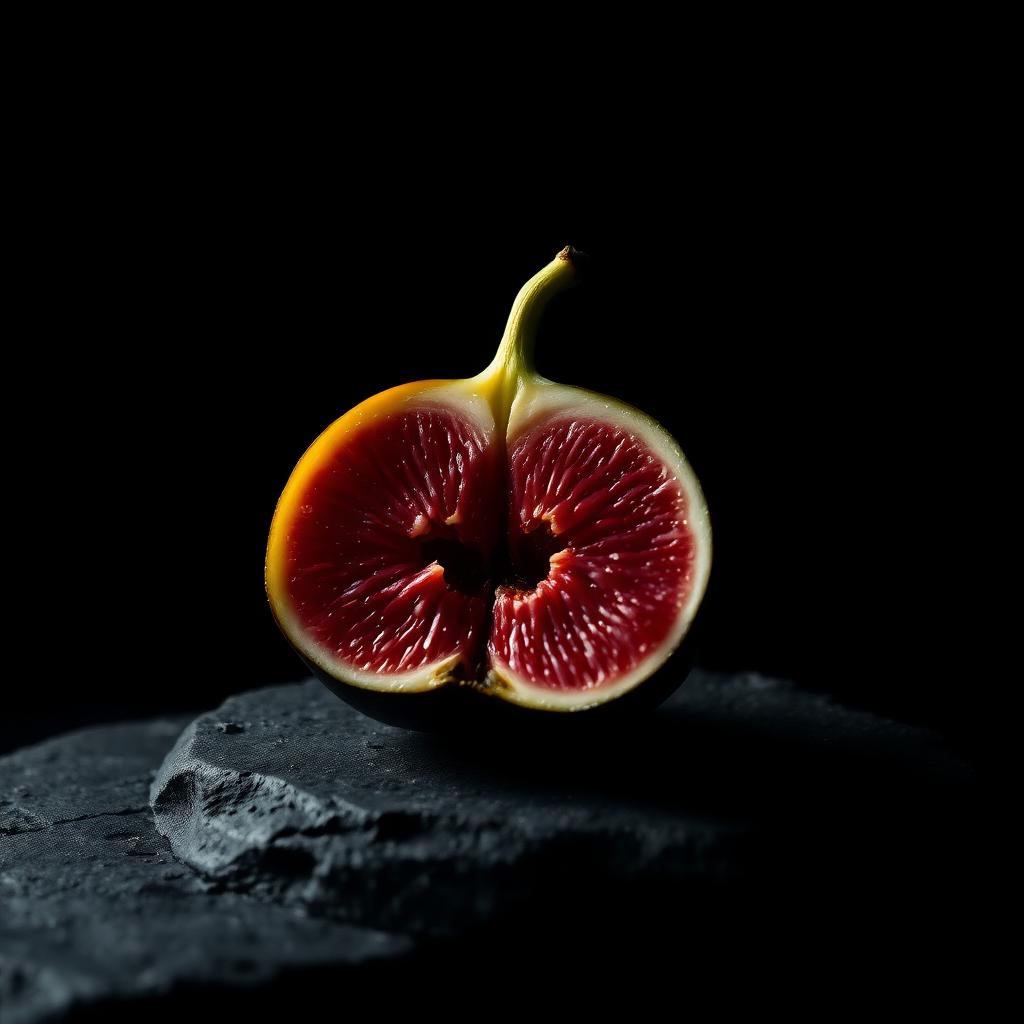
Flavor is a construction assembled from taste (five basic modalities on the tongue), retronasal olfaction (aroma routed from the back of the mouth to the olfactory bulb), texture, temperature, and prior expectation. Most of what you call ‘the taste of X’ is memory and label. This practice strips those away by eating something as plain as possible and attending to what is actually on the tongue.
- 02
Elements of Complexity
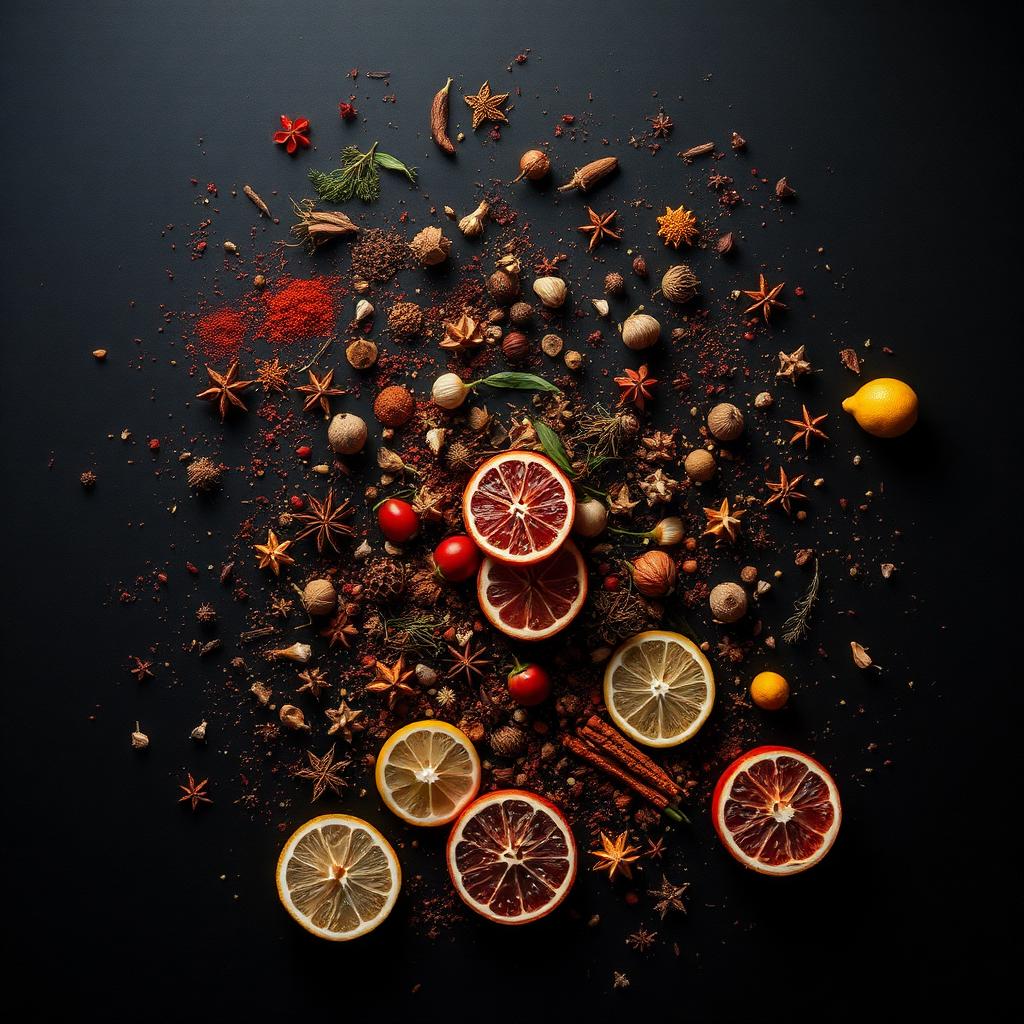
A complex dish — a curry, a stew, a well-made cocktail — is composed of many discrete flavors that your perceptual system either separates into components or fuses into a single gestalt. Sommeliers, tea tasters, and perfumers are trained to move between these modes. This practice trains the same skill on any complex food.
- 03
The Imagined Lemon
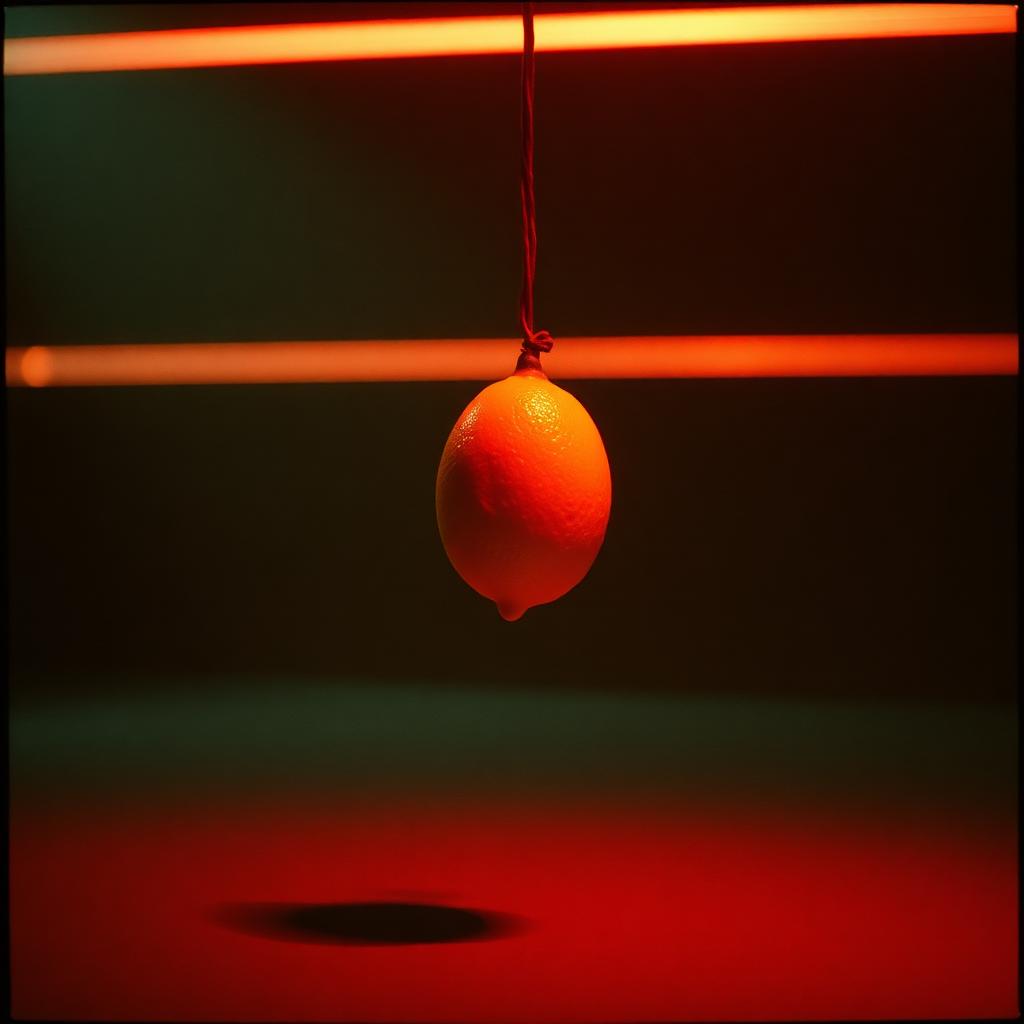
Vivid mental imagery of a food activates gustatory and olfactory cortex measurably. The image is not the substance — but the neural signal is not zero. Think of a lemon and your mouth begins to water. This practice attends to that phenomenon as data: taste as an act of the mind, not only of the tongue.
- 04
A Taste Never Tasted
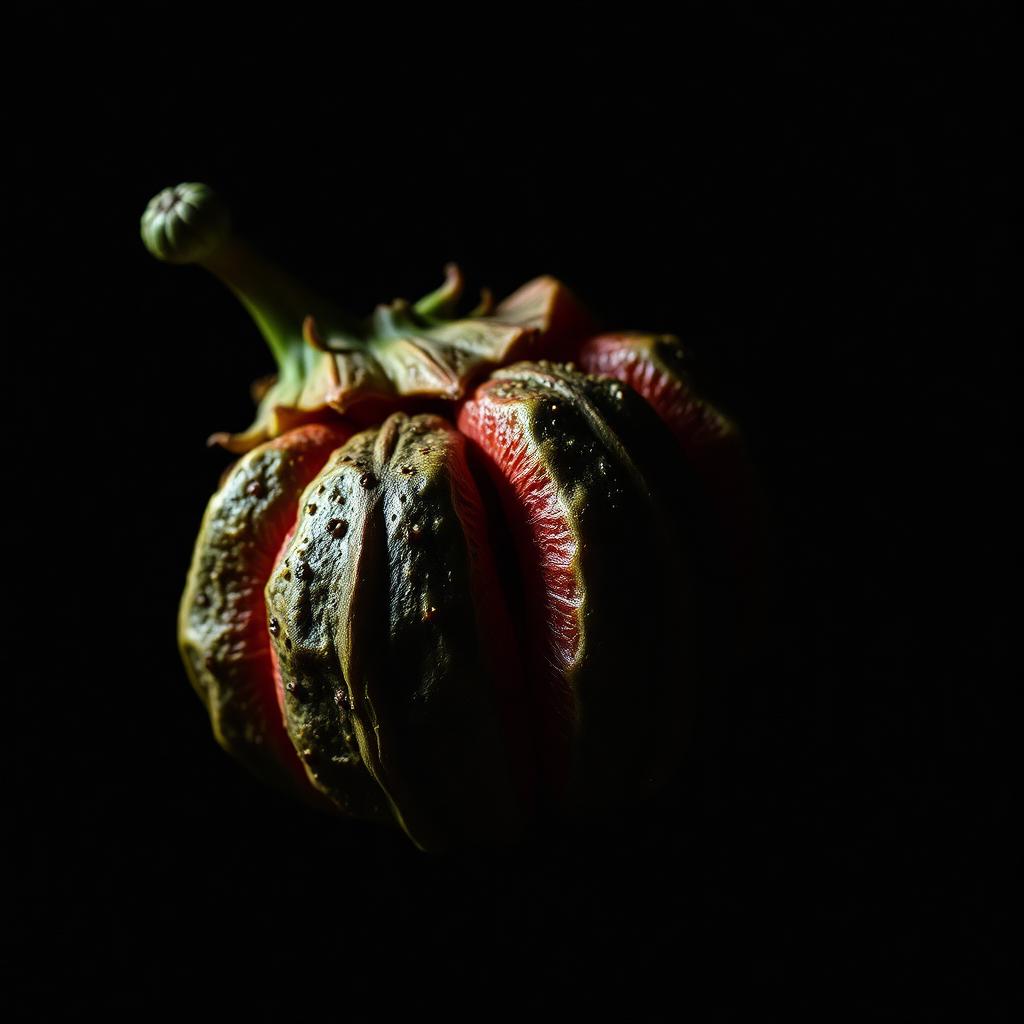
Try to imagine a color you have never seen — you cannot. Perception is compositional; imagination reshuffles the already-perceived. This practice presses that limit against taste: attempt to imagine a flavor with no referent, and observe what the mind actually does when asked to produce novelty from within a closed set. What surfaces is usually a combinatoric of known tastes; occasionally something stranger. Both are data.